

Stucco Repair in New Orleans: 9 Early Warning Signs Homeowners Miss
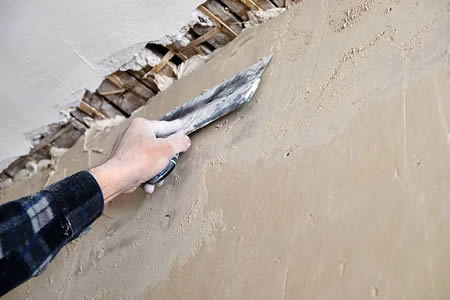
New Orleans weather can be tough on stucco. Heat, humidity, and wind‑driven rain work their way into small weaknesses that most people never notice. If you spot issues early, you can protect your walls, trim, and framing before small problems spread. When you need a pro opinion, explore our detailed approach to stucco repair in New Orleans with One New Creation.
Why Stucco Problems Show Up Faster Around New Orleans
From Uptown and the Garden District to Lakeview and Old Metairie, our homes face frequent heavy rain, high humidity, and quick temperature swings. Stucco is designed to shed water, but constant moisture can find its way in through tiny gaps at windows, doors, roof edges, and light fixtures. In older houses, past paint jobs or sealed weep points can slow drying, which holds moisture in and stresses the finish.
Local callout: Afternoon heat followed by sudden showers is common here. That cycle expands and contracts stucco, then forces water into fine openings. Plan exterior checkups before peak storm season so small fixes don’t turn into interior repairs.
9 Early Warning Signs Most Homeowners Miss
These small signals often show up long before chunks fall off or walls leak indoors. Catching them early helps avoid bigger repairs later.
- Thin, web‑like hairline cracks that “map” across a wall
- Diagonal or stair‑step cracks spreading from window or door corners
- Bubbling, bulging, or slightly swollen patches that feel raised
- Brown or dark drip stains under sills, eaves, or balcony edges
- White, powdery residue (efflorescence) near the base of walls
- Peeling or blistering exterior paint on stucco surfaces
- Cracked, missing, or gapped sealant at joints and penetrations
- Small impact chips near lawn equipment paths or along walkways
- Subtle musty odors or wall discoloration just inside exterior walls
What Those Signs Usually Mean In Our Climate
Most of the issues above point to moisture getting behind the finish and not drying fast enough. Bubbling and bulges often suggest delamination where stucco has separated from the base. White residue can mean repeated wetting and drying that brings salts to the surface. Cracks around windows and doors usually trace back to movement at those openings or gaps in aged sealant. Left alone, these small problems can spread across adjacent wall planes and reach sheathing or framing.
Hot Spots Where Problems Start First
In New Orleans homes, early deterioration tends to show up at known stress points. Watch these areas closely after heavy rain or big temperature swings:
- Window and door transitions, especially older wood units with aging trim
- Roof‑to‑wall connections, parapets, and balcony terminations
- Wall bottoms where landscaping or grade holds moisture against the finish
- Penetrations like light fixtures, hose bibs, vents, and cable entries
Timing Matters: When To Act
Small cracks and stains rarely stay small here. Warm, wet air speeds up deterioration and can carry moisture deeper into assemblies. Addressing issues early protects curb appeal and helps avoid interior drywall repairs or trim replacement later. If something new appears after a storm, note the location and get it checked before the next round of weather.
What A Professional Stucco Assessment Covers
A thorough assessment focuses on where water might enter and how the wall dries. A trained team looks at transitions, previous patch areas, sealant condition, paint history, and how well textures and finishes shed water. When needed, targeted testing can confirm hidden moisture so the repair plan matches what is actually happening inside the wall. The goal is simple: stop the source, restore the surface, and match the surrounding finish so the fix disappears.
Repair Paths That Work For New Orleans Homes
Every house and wall face are a bit different, so the repair approach is tailored to the cause and extent. Typical solutions include localized removal and reset where stucco has separated, structural crack stabilization around openings, and careful texture and color blending so patches do not telegraph through the facade. Where sealant has aged out, fresh, compatible sealant is applied to keep water out of joints and penetrations. If paint is part of the finish, breathable coatings help walls dry between storms.
Historic Charm And New Builds: Keep Your Finish Consistent
Many New Orleans homes mix historic details with modern systems. Matching texture and color is vital near original trim and ornate masonry. If you are planning an addition or a brand‑new build, align finishes and water‑management details early so your exterior looks seamless. For larger projects, our team also supports planning and craftsmanship for new construction so the stucco finish and details work well from day one.
Real‑World Examples Around The City
In the Garden District and Uptown, fine cracks often follow old window lines or decorative bands. In Lakeview and Carrollton, wind‑driven rain can push moisture under paint at parapets and balcony edges. In Old Metairie, low wall sections near landscaping sometimes show recurring efflorescence when sprinklers or poor drainage keep the area damp. The patterns differ, but the fix always starts by stopping moisture, then restoring a clean, consistent finish.
How To Choose The Right Partner
Look for a local team that understands our neighborhoods and climate. Ask about texture and color‑matching experience, how they isolate and correct moisture sources, and what they do to protect adjacent surfaces during repairs. A good plan sets expectations, explains the sequence of work, and shows how the repaired area will blend with the rest of the wall. When in doubt, compare scopes side by side and make sure moisture control comes first, not just surface patching.
For a deeper dive into working on older homes, this quick read on dos and don'ts for historic home renovations explains smart ways to respect original character while updating protective finishes.
Why Acting Now Protects Value
Moisture has a way of traveling. A small stain under a window can become a wider band across the wall below. A hairline crack that looks harmless can open wider with heat and rain. Addressing early signs protects trim, framing, and interior finishes, and it keeps your exterior looking sharp for resale. It also gives you control over timing so you can plan work outside of the rainiest stretches.